Explore Kangaroo Island in South Australia | Highlights, visitor’s guide & more
What is Kangaroo Island?
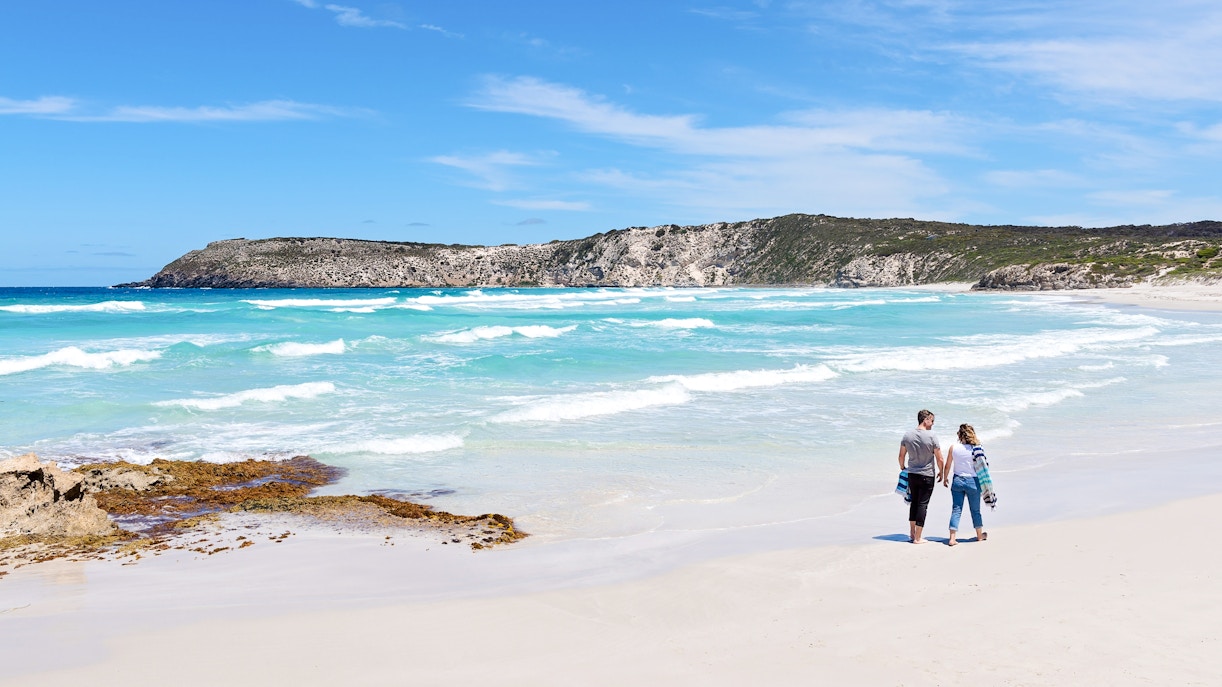
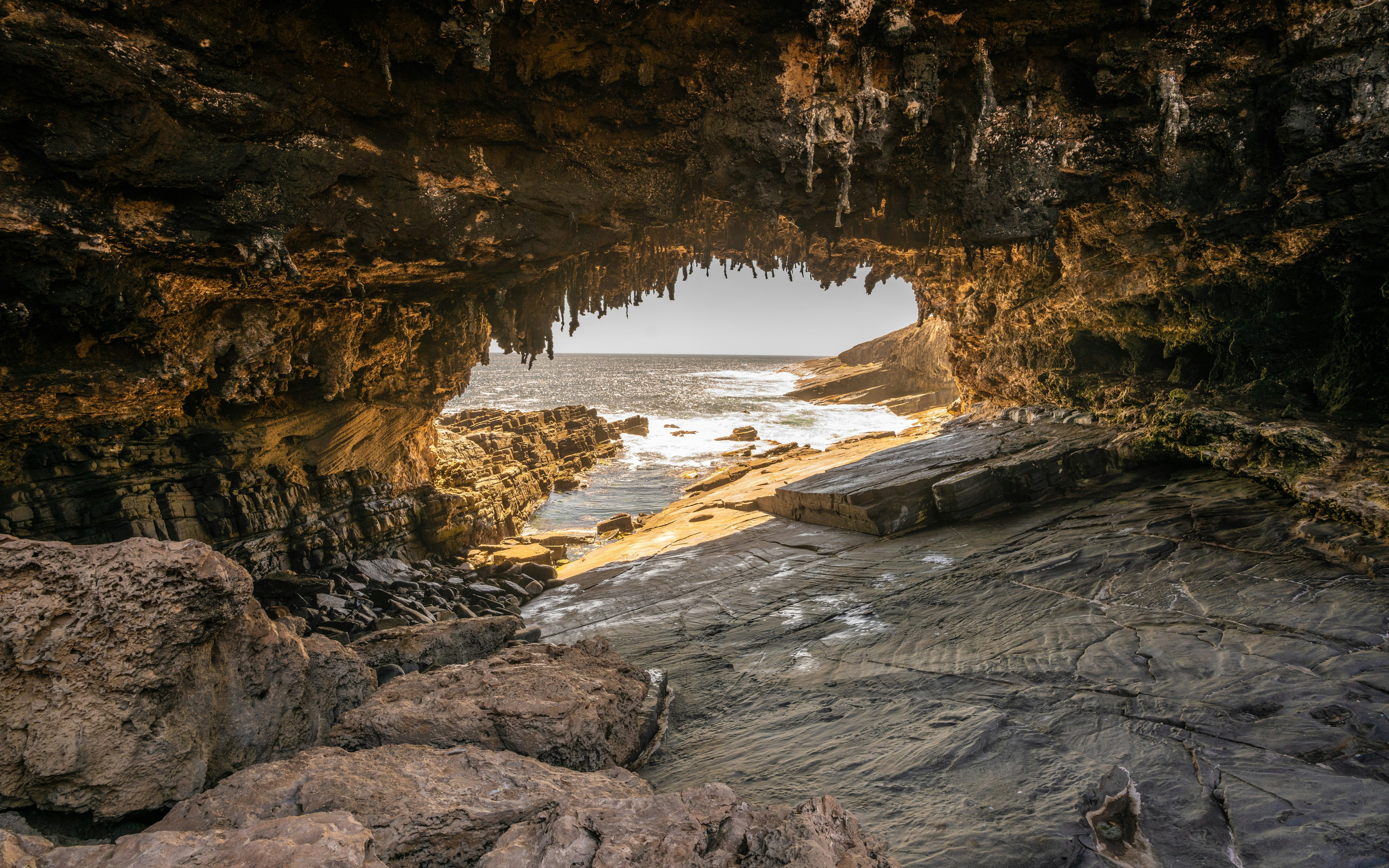
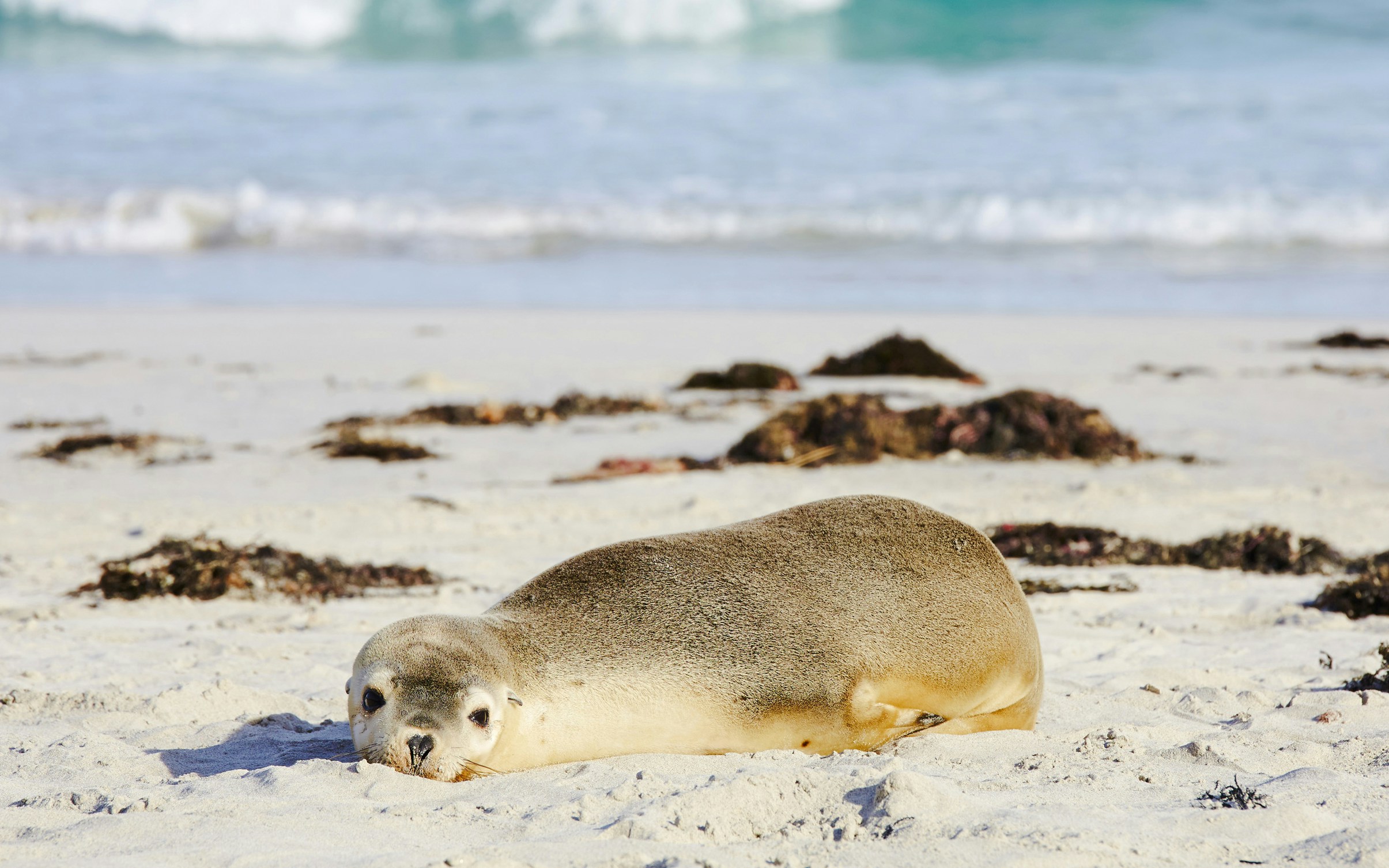
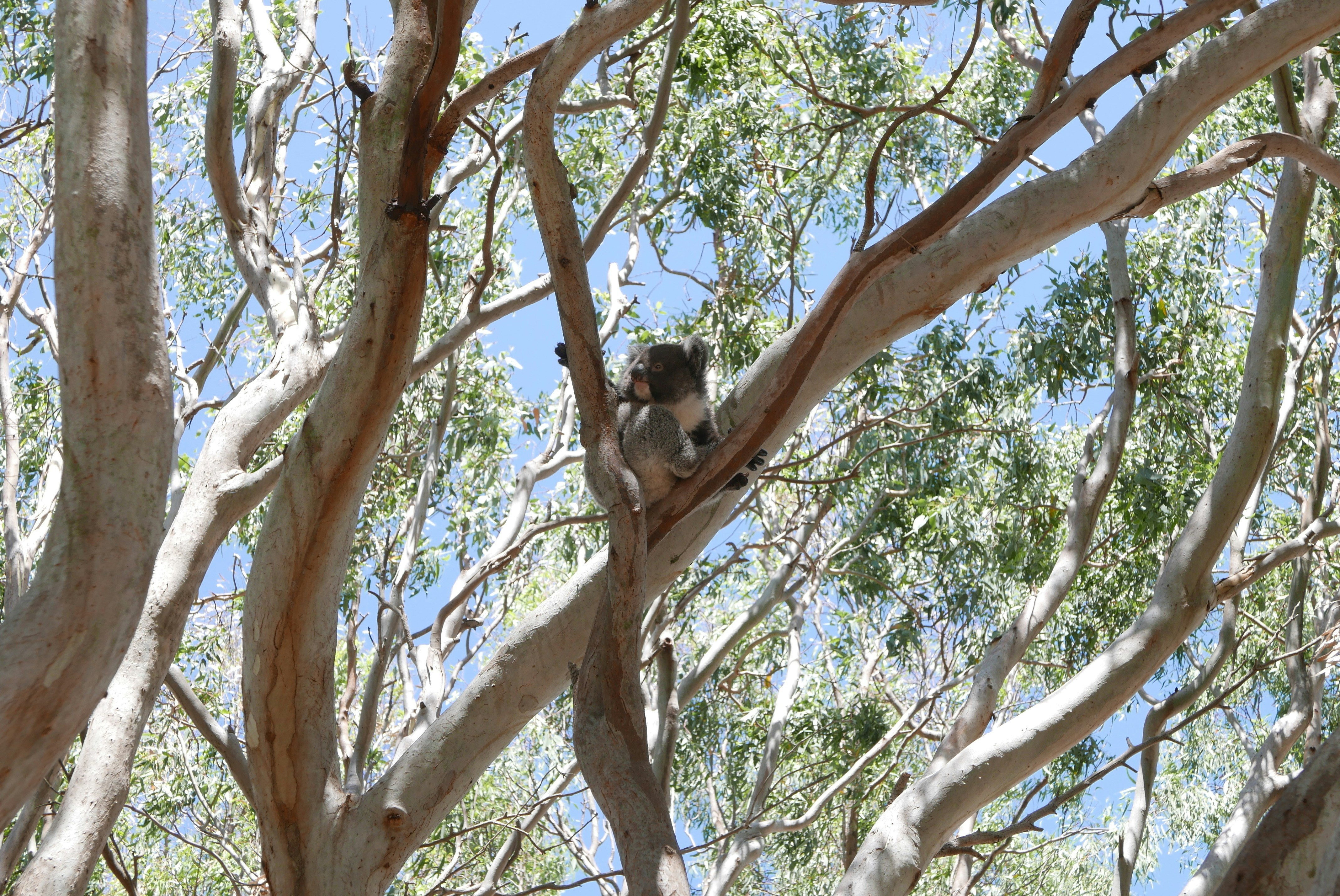
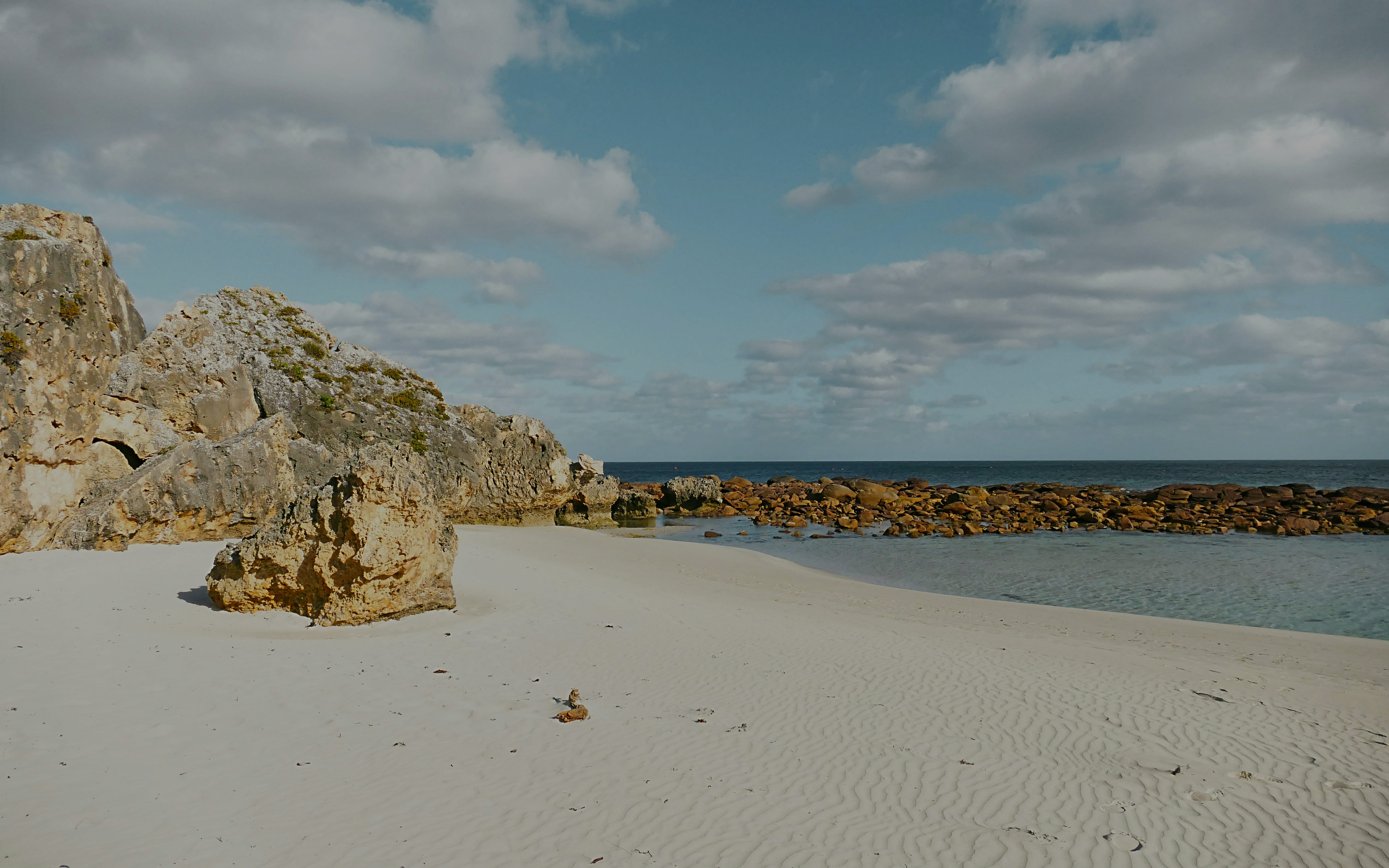
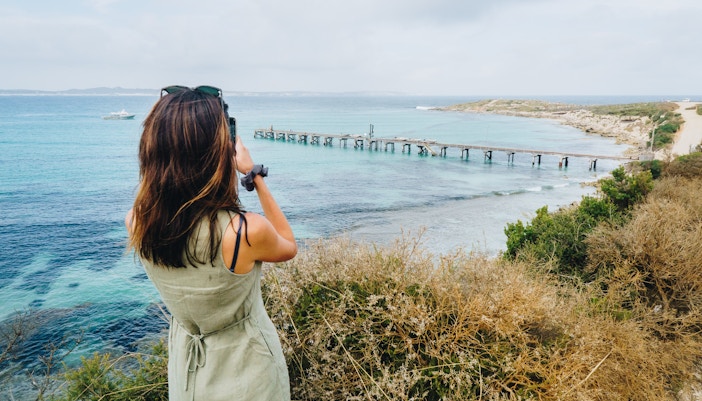
Kangaroo Island is a rugged, wildlife-rich island off South Australia’s coast, known for its sweeping beaches, sea cliffs, and quiet country towns. It’s home to natural highlights like Remarkable Rocks and Admirals Arch, along with thriving colonies of sea lions, kangaroos, and wallabies.
Plan your visit to Kangaroo Island
Kangaroo Island is open year-round with no fixed entry hours.
Tours, ferry services, and attractions operate on set schedules; check timings before travel.
Summer offers longer daylight for sightseeing; winter days are shorter.
Some facilities may close on public holidays or during severe weather conditions.
March–May and September–November offer the best conditions, with mild weather, calmer seas for ferry travel, and active wildlife without peak-season congestion.
Weekdays are ideal since day-trippers from Adelaide mostly visit on weekends, making major sights quieter and easier to explore.
Early mornings give you the softest light for coastal lookouts and better chances of spotting wildlife before they retreat in the heat.
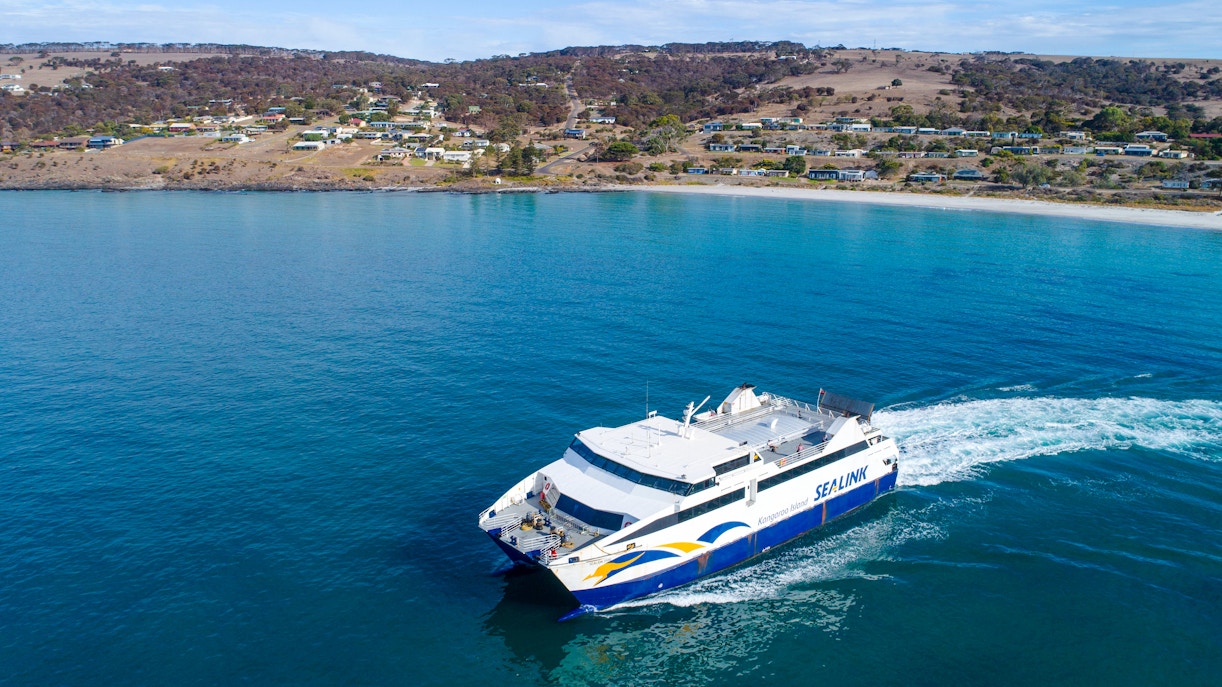
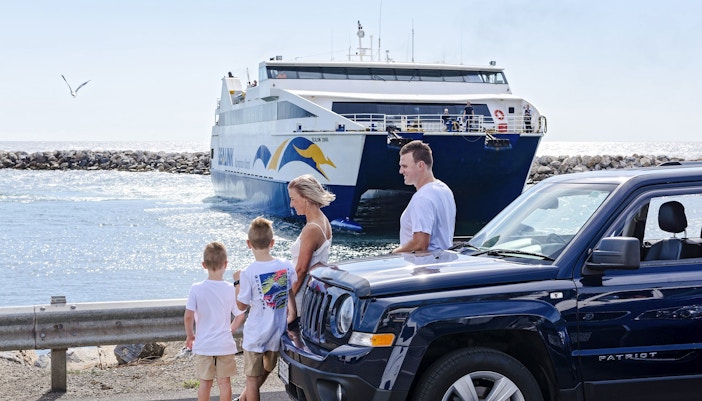
Kangaroo Island sits off South Australia’s southern coast, accessible by SeaLink ferry from Cape Jervis or regional flights into Kingscote Airport.
Penneshaw, Kingscote, and American River serve as hubs for tours, dining, and accommodation.
Driving times between towns and major attractions range from 15–45 minutes.
What to do at Kangaroo Island?
See iconic landmarks
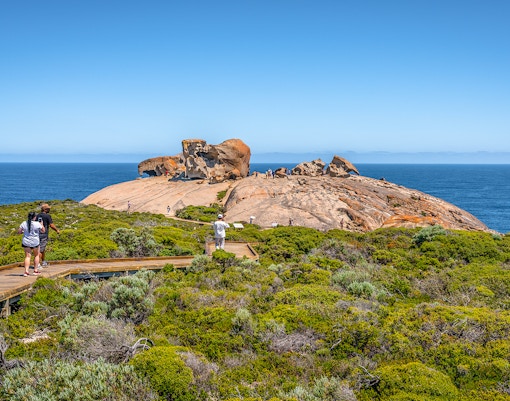
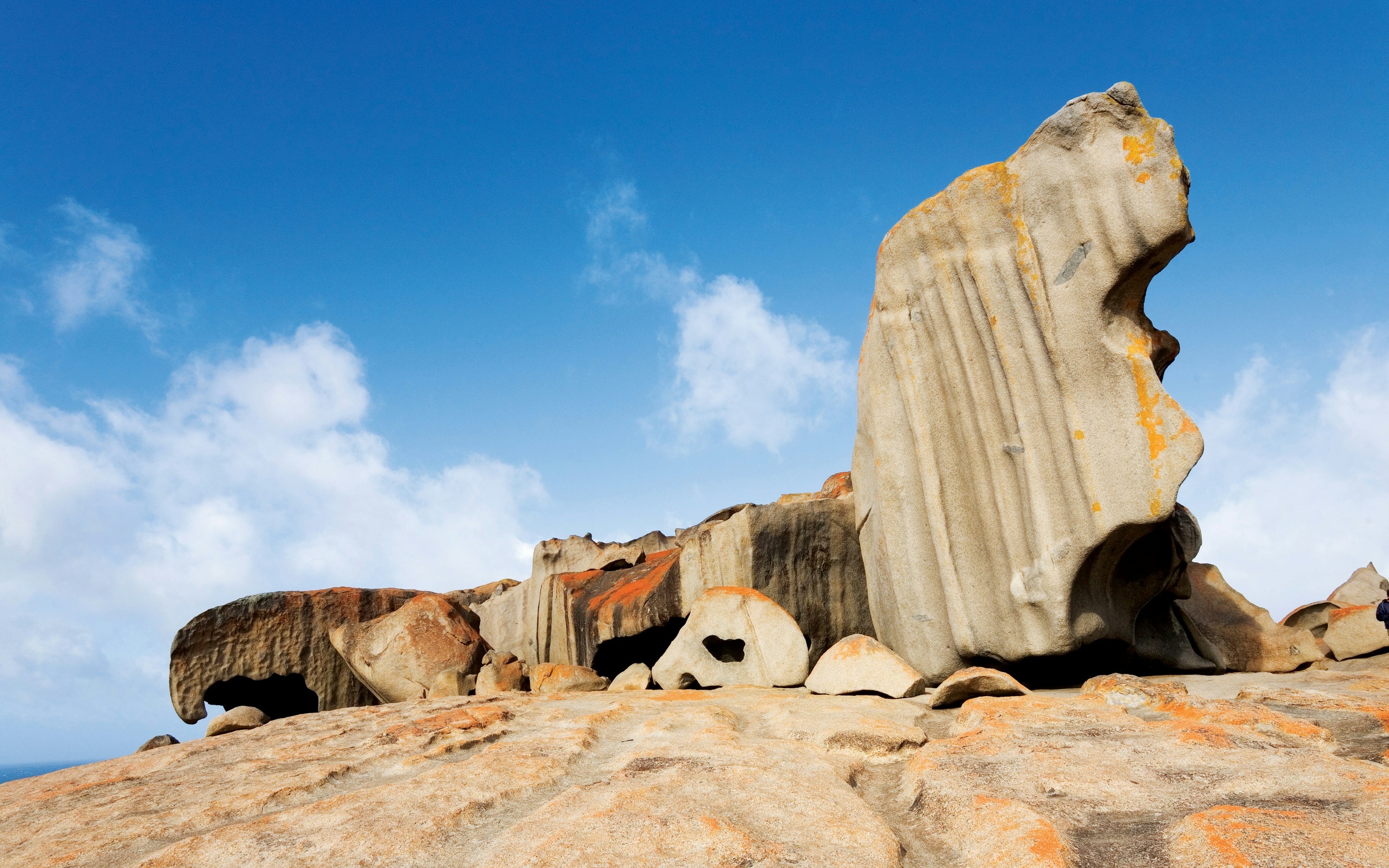
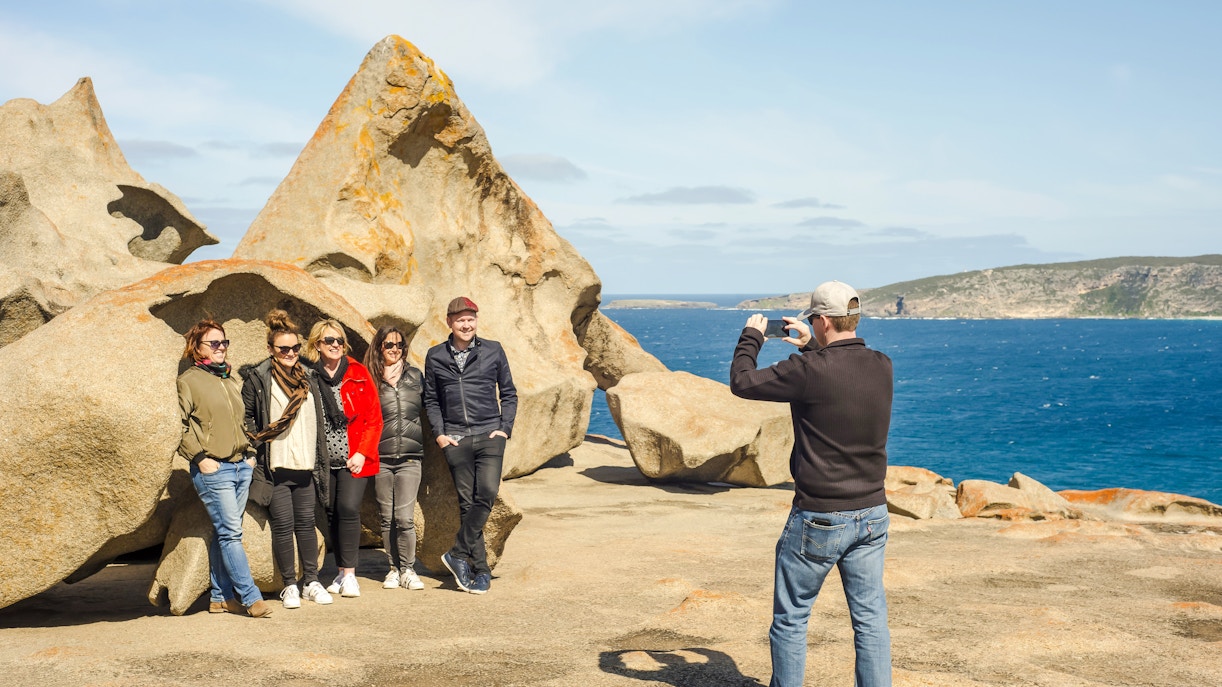
Stroll along boardwalks at Admirals Arch and navigate granite formations at Remarkable Rocks.
Enjoy incredible cliffside views and natural coastal sculptures.
Easy walks suitable for most visitors; wear comfortable shoes.
Ideal for first-time visitors and photography enthusiasts.
Wildlife & raptor shows
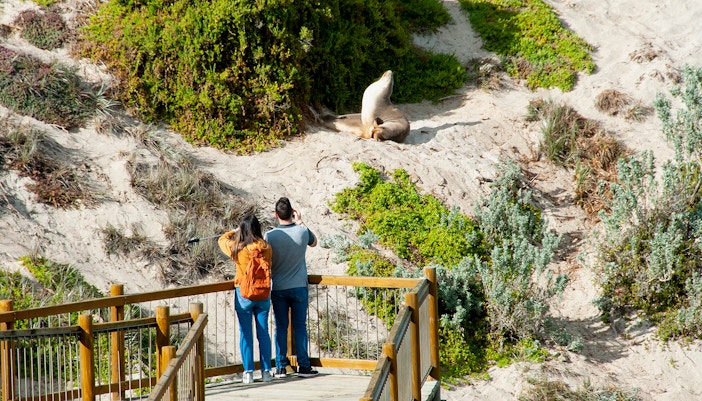
Walk along Seal Bay’s sandy shore to observe sea lions in their natural habitat.
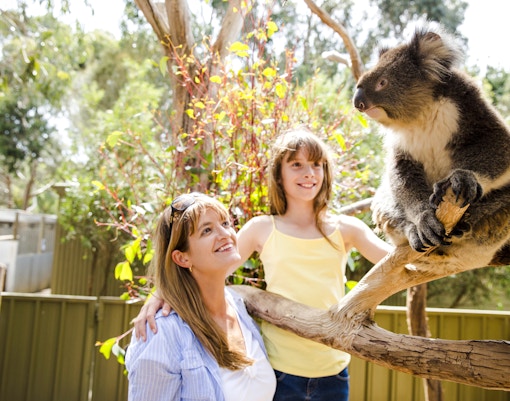
Interact with kangaroos, koalas, and penguins at Kangaroo Island Wildlife Park.
Watch eagles and owls soar during the Raptor Domain “Free Flight” show.
Easy-paced, family-friendly, 2–3 hours; minimal walking, no special gear required.
Perfect for wildlife enthusiasts and families looking for hands-on animal encounters.
Coastal cruises & snorkelling
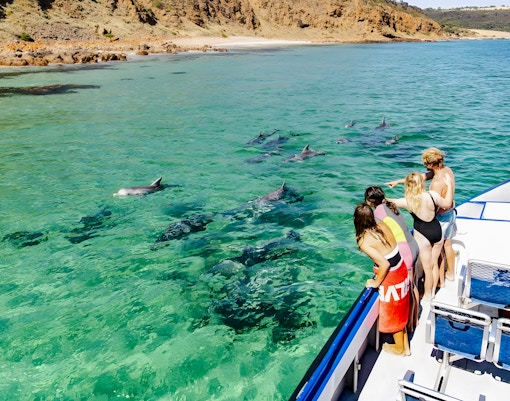
Cruise along Kangaroo Island’s coastline to spot dolphins, seals, and seabirds.
Upgrade to snorkel with marine wildlife; wetsuits, masks, and fins provided.
Low-intensity; suitable for families, couples, and ocean lovers.
Feels immersive and interactive, with expert commentary highlighting wildlife behaviour.
Ride an ATV quad bike
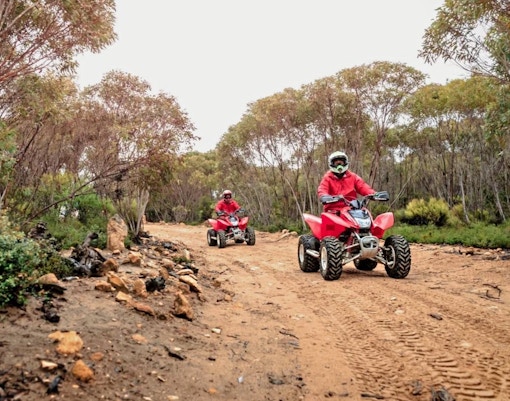
Ride through bushland, open plains, and rocky inland trails on a guided ATV tour.
Spot kangaroos, koalas, and native birds while navigating scenic trails.
Moderate-intensity, 110 minutes; safety gear and training included for beginners and experienced riders.
Adventure-focused, perfect for thrill-seekers and nature explorers.
Food, honey & wine tasting
Sample Ligurian honey at Clifford’s Honey Farm and eucalyptus delights at Emu Ridge.
Enjoy a wine tasting at False Cape Wines, paired with scenic views.
Easy, 2–3 hours; minimal walking, casual attire.
Ideal for food and drink lovers seeking a relaxed, flavorful experience.
What to see at Kangaroo Island?
Remarkable Rocks, Flinders Chase National Park
Striking granite boulders sculpted by wind and sea, glowing gold at sunrise and sunset.
History of Kangaroo Island in a nutshell
Kangaroo Island has been separated from mainland Australia for around 10,000 years, shaped by rising sea levels after the last Ice Age.
The island was once home to Aboriginal communities, though archaeological evidence suggests they left several thousand years ago, leaving behind tools and cultural traces.
Matthew Flinders charted the coastline in 1802 and named it after the abundance of kangaroos that helped feed his crew.
Early European sealers and whalers settled here, and some lived alongside Aboriginal women brought from the mainland.
Through the 19th and 20th centuries, small farming communities developed, and the island gained a reputation for its untouched wilderness and rugged coastline.
Modern tourism grew as protected areas like Flinders Chase National Park were established, preserving the island’s wildlife and landscapes for future generations.
Kangaroo Island wildlife: Flora & fauna you can’t miss
1/6
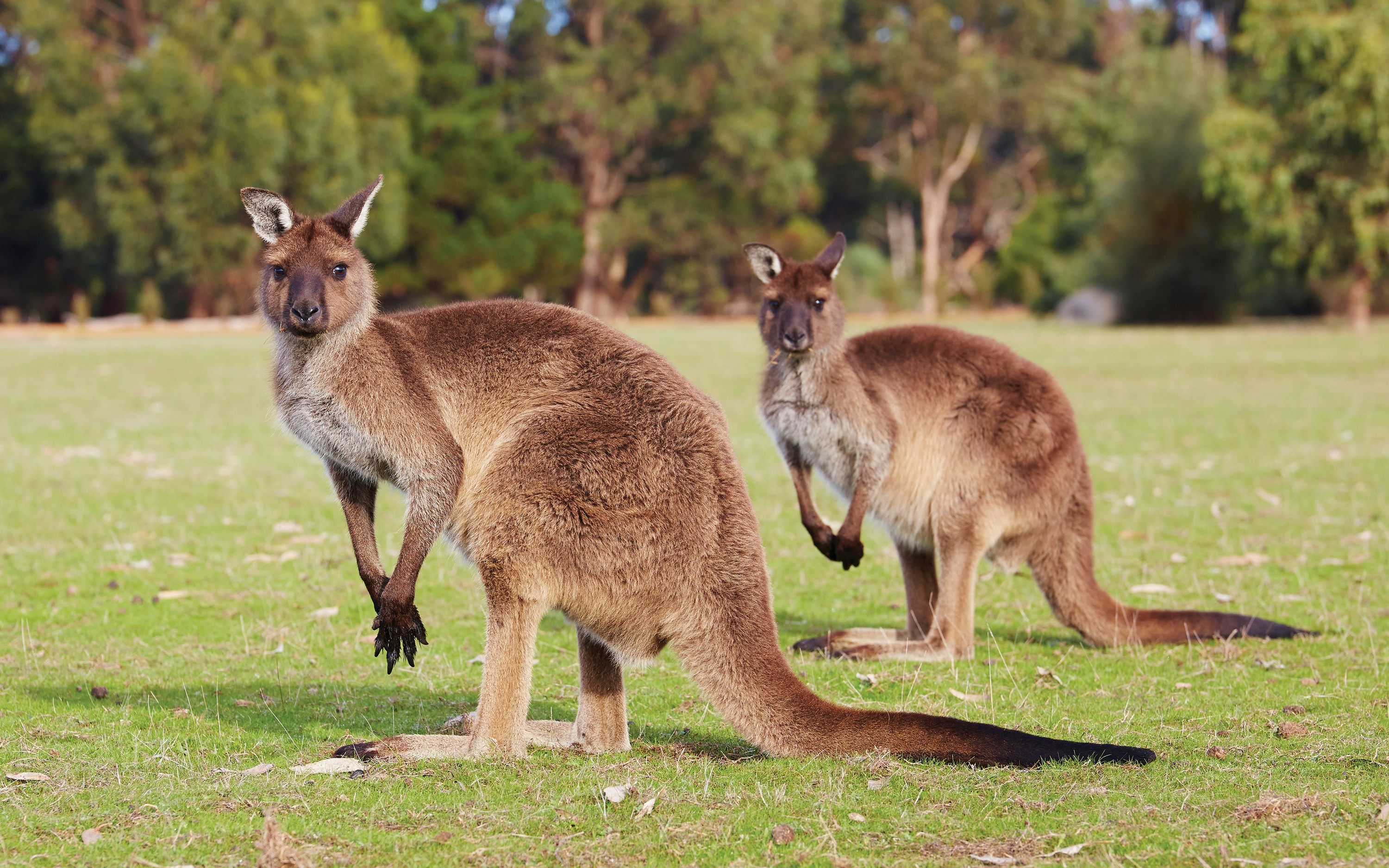
Kangaroo Island kangaroos
A unique subspecies found only on the island, these shorter, darker kangaroos are often seen grazing in open fields and bushland. Visitors can spot them at dawn or dusk in calm, low-intensity walks.
Koalas & echidnas
Koalas lounge in sugar gum forests across the island, especially around Hanson Bay. Echidnas wander slowly through coastal scrub and woodlands, offering delightful surprise sightings for patient walkers.
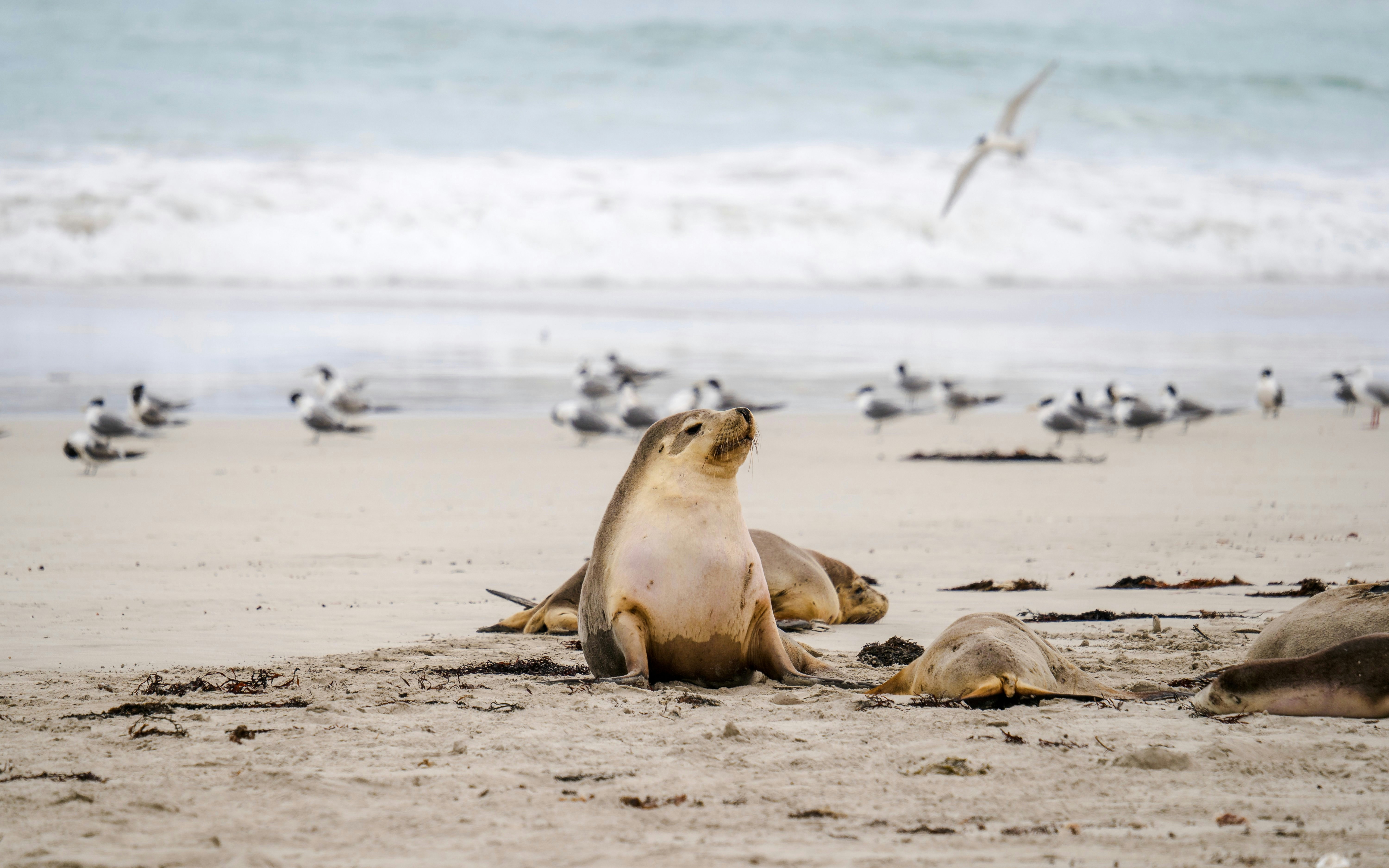
Australian sea lions
At Seal Bay, endangered Australian sea lions rest, play, and nurse pups along the protected shoreline. Guided access lets visitors observe their social behaviour at a safe distance.
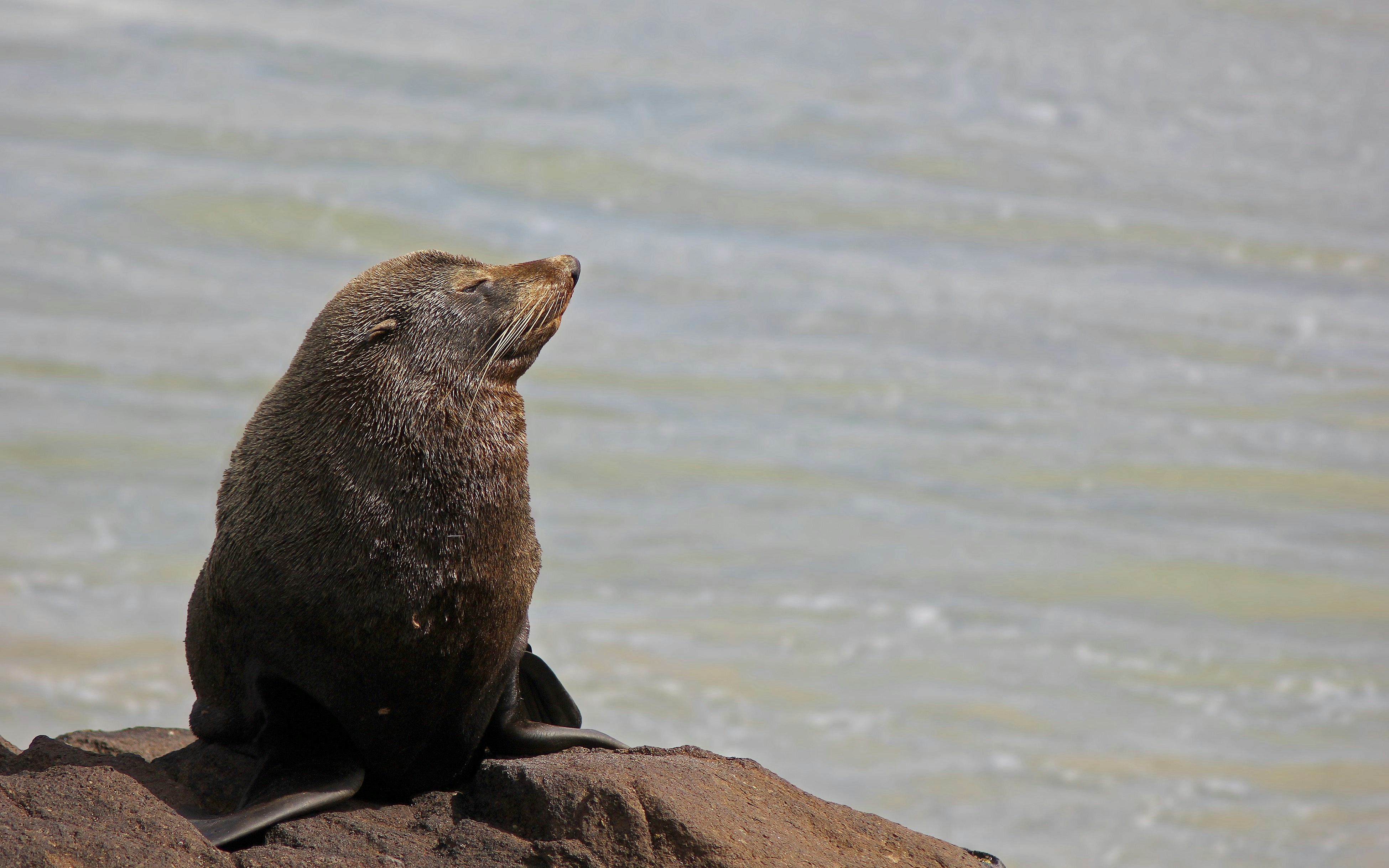
Long-nosed fur seals
These powerful swimmers gather on the rocky platforms beneath Admirals Arch. Visitors can watch them bask, bark, and dive among the swirling waves from elevated boardwalks.
Birdlife & raptors
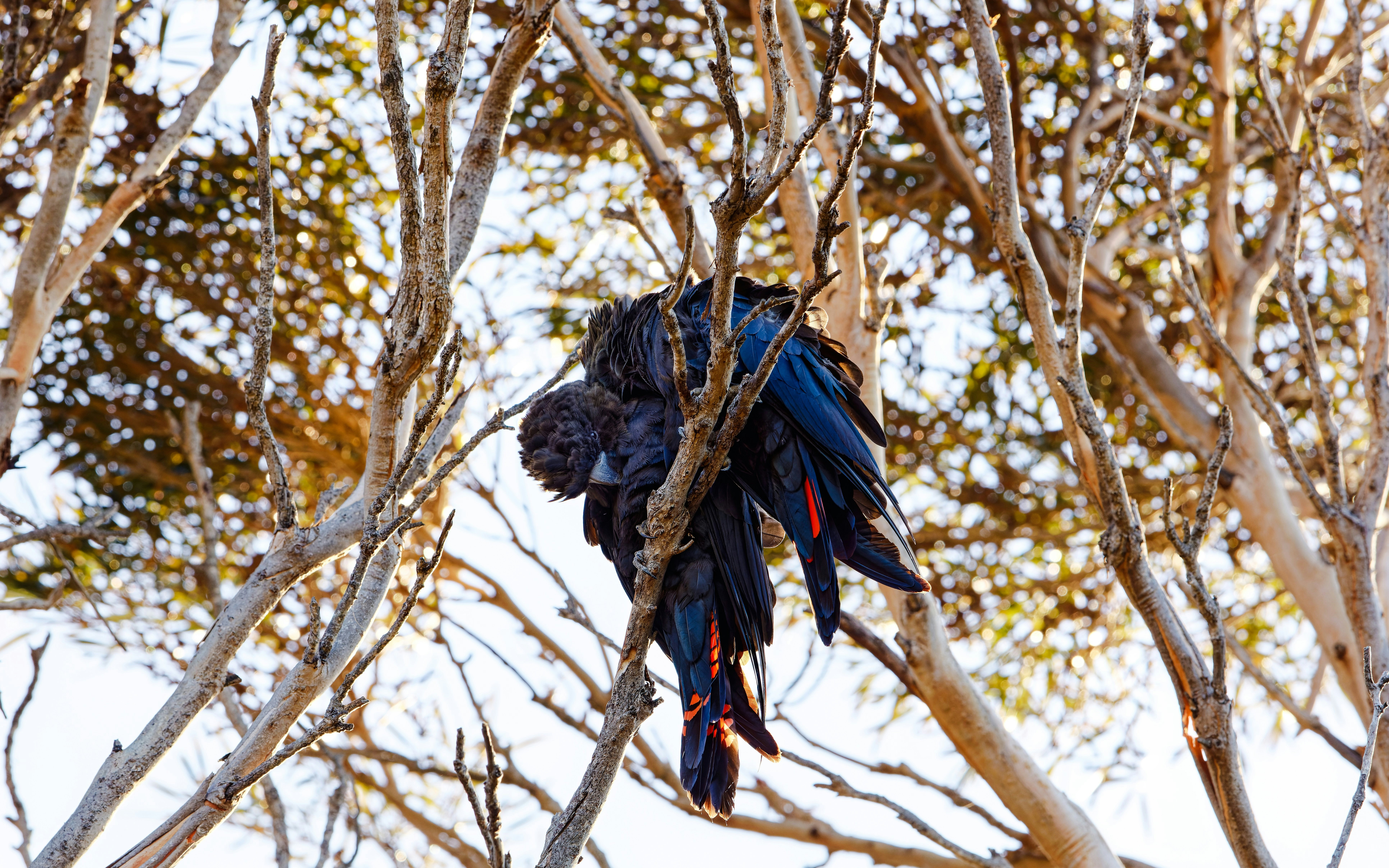
The island hosts more than 260 bird species, including rare glossy black cockatoos, cape barren geese, and osprey. Coastal trails and inland forests offer easy opportunities for birdwatchers.
Native flora & wildflowers
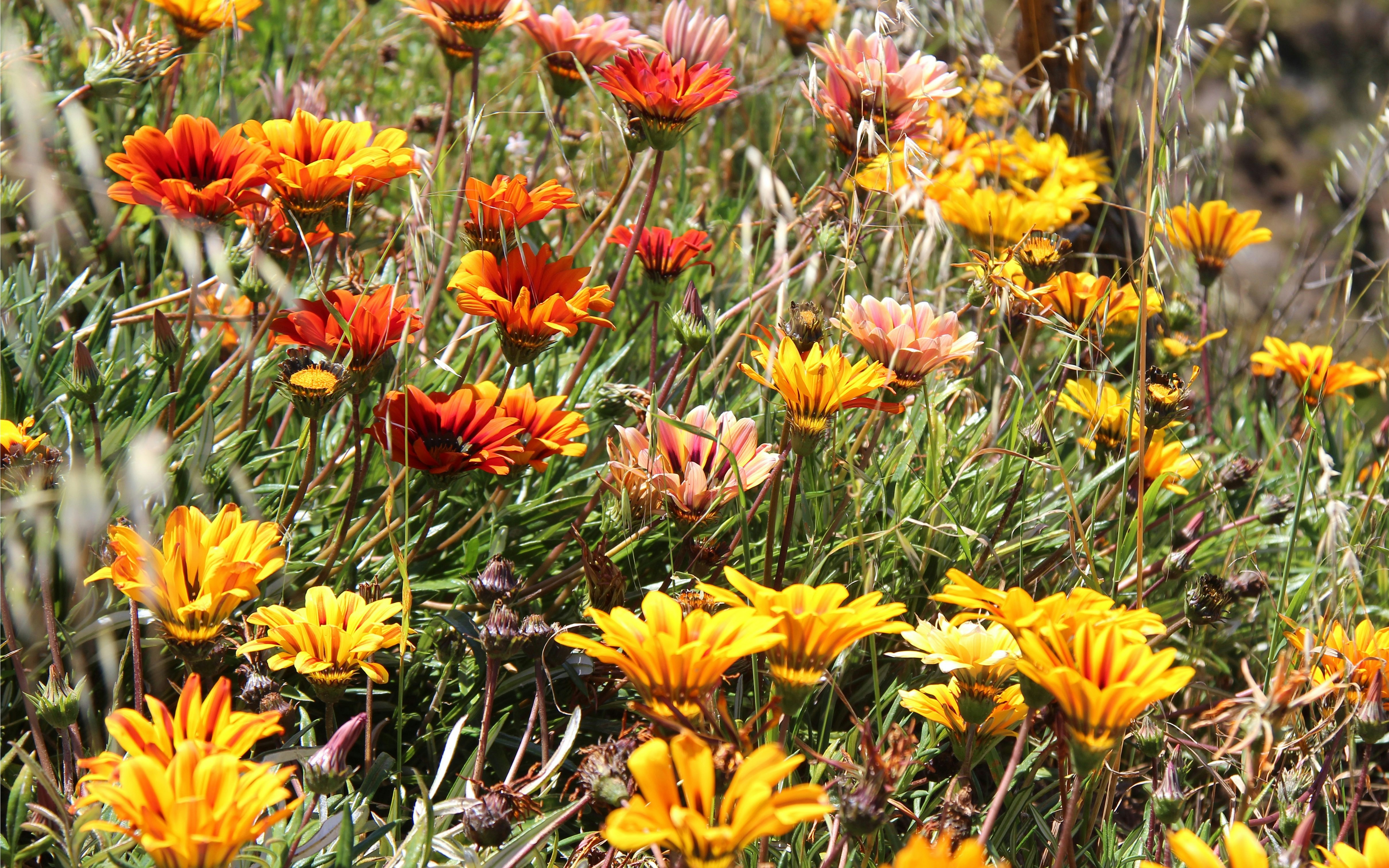
Walk through sugar gum forests, mallee scrub, and coastal heath rich with native orchids and seasonal wildflowers. Spring brings vibrant bursts of colour across easy-to-explore trails.
Tips for visiting Kangaroo Island
Book ferry and tours early, especially in summer, as crossings and guided walks (like Seal Bay) fill quickly.
Plan at least one full day with early starts—the island’s distances are longer than expected.
Pack layers; coastal winds can change conditions even on warm days.
Opt for guided tours if you want to cover major highlights without navigating long drives.
Rent a car only if you're confident with rural, wildlife-heavy roads after dark.
Frequently asked questions about Kangaroo Island
Kangaroo Island is famous for its untouched landscapes, thriving wildlife, and iconic landmarks like Seal Bay, Remarkable Rocks, and Admirals Arch. It’s a go-to destination for nature lovers, photographers, and travellers seeking peaceful, wide-open coastal scenery.
The best time to visit is March–May and September–November, when wildlife is active, temperatures are mild, and crowds are lighter. Summer is popular but busier, while winter offers rugged coastal scenery and fewer visitors.
Pack layers for changing coastal weather, comfortable walking shoes, sunscreen, and a waterproof jacket. If you're self-driving, bring snacks and extra water—services can be spread out. For beach or boat tours, pack swimwear and a towel.
Many attractions offer accessible facilities, including Seal Bay boardwalks, Flinders Chase lookouts, and key visitor centres. Some rugged trails and beaches may be difficult to access, so check ahead or join accessible-friendly guided tours.
Top activities include the Seal Bay guided beach walk, exploring Remarkable Rocks and Admirals Arch, wildlife encounters, scenic coastal walks, and sampling local produce. Adventure options like quad biking and boat tours offer a fun way to explore.
The island is large and best explored by car or guided tour. Public transport is limited. Guided day tours are ideal if you want to cover major highlights without long drives or navigating rural roads.
Most visitors take the coach-plus-ferry route via SeaLink from Adelaide to Penneshaw. A regional flight to Kingscote is the fastest option. If driving, head to Cape Jervis to board the passenger or vehicle ferry.
More Reads
Getting There
Timings
Plan Your Visit
Book your Kangaroo Island tickets
Kangaroo Island Guided Tour with Return Ferry, Lunch & Adelaide Transfers